Project Management: How to track projects effectively
5 min read
Imagine a team starting a project with no clear plan. Tasks overlap, deadlines keep shifting, and no one is quite sure who owns what. Work still gets done, but it feels rushed, reactive, and stressful. This is a common situation in many teams before project management steps in.
Project management is what brings order to that chaos. It focuses on planning and organizing work so tasks are clear and timelines are realistic.
By coordinating people, tasks, and resources, it helps teams move forward with confidence instead of guesswork. It also prepares teams to handle risks and changes along the way, keeping projects on track and ensuring they’re delivered successfully.
Advantages Of Project Management
When work items are tracked accurately, teams start to see real benefits, such as:
Clear visibility into how time is actually spent across work items and projects.
Better planning of workloads and resources based on real effort, not assumptions.
Improved productivity and focus by helping teams align time with priorities.
More accurate project estimates and timelines grounded in historical data.
Reduced burnout through balanced workloads and early identification of overload.
From planning to delivery, make every project run smoother
How To Track Progress Of Projects
Tracking projects starts with breaking it into clear tasks and subtasks so work feels manageable and visible. Assigning clear ownership and priorities ensures everyone knows what they’re responsible for and what needs attention first. From there, tracking time spent on each work item helps teams understand actual effort, not just planned effort.
An efficient work item tracking tool makes this process far easier by capturing time automatically and organizing it at the task level. This makes it simple to monitor how work is distributed across team members and spot imbalances early.
Reviewing workload reports and trends regularly then helps managers adjust plans, prevent overload, and keep work moving at a sustainable pace.
Project management helps with project cost estimation by bringing clarity and structure from the very beginning. By defining the project scope, breaking work into smaller tasks, and estimating effort at the task level, teams can forecast budgets more accurately and avoid hidden costs. Tracking planned versus actual effort also helps identify risks early, reducing delays, rework, and unexpected cost overruns.
Better resource utilization comes from knowing who is needed, when, and for how long. Project management enables teams to allocate work based on skills and availability, balance workloads, and prevent both burnout and idle time. With clear visibility into capacity and progress, managers can optimize resources, make informed staffing decisions, and ensure work moves forward efficiently.
Sprint Planning That Keeps Agile Teams Focused
Sprint planning is a key part of the Agile and Scrum process because it gives teams a clear direction before work begins. Without it, teams often jump from task to task, priorities keep shifting, and progress feels scattered. Sprint planning helps avoid this by turning big goals into a focused, achievable plan.
A sprint is a short, time-boxed period, usually one to two weeks, where an Agile team works toward a specific outcome. During sprint planning, the team defines the sprint goal, selects tasks from the product backlog, estimates the effort required, and aligns work with the team’s capacity. This ensures everyone understands what needs to be done and what success looks like by the end of the sprint.
By clearly setting expectations upfront, sprint planning helps Agile teams stay focused, collaborate better, and deliver consistent results. It creates shared accountability and allows teams to track progress more effectively throughout the sprint, making it easier to adapt and improve over time.
How Kanban Boards Work In Agile Project Management
A well-planned sprint is only effective when the work is easy to track. That’s where visualization techniques come in—helping teams translate plans into clear, actionable views.
When work isn’t clearly visible, teams often struggle to understand what’s in progress, what’s blocked, and what’s actually getting done. Tasks get stuck midway, priorities blur, and it becomes hard to spot bottlenecks before they slow everything down. This lack of visibility is where many Agile teams lose momentum.
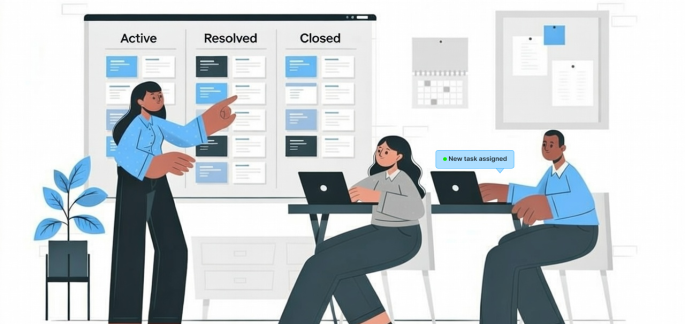
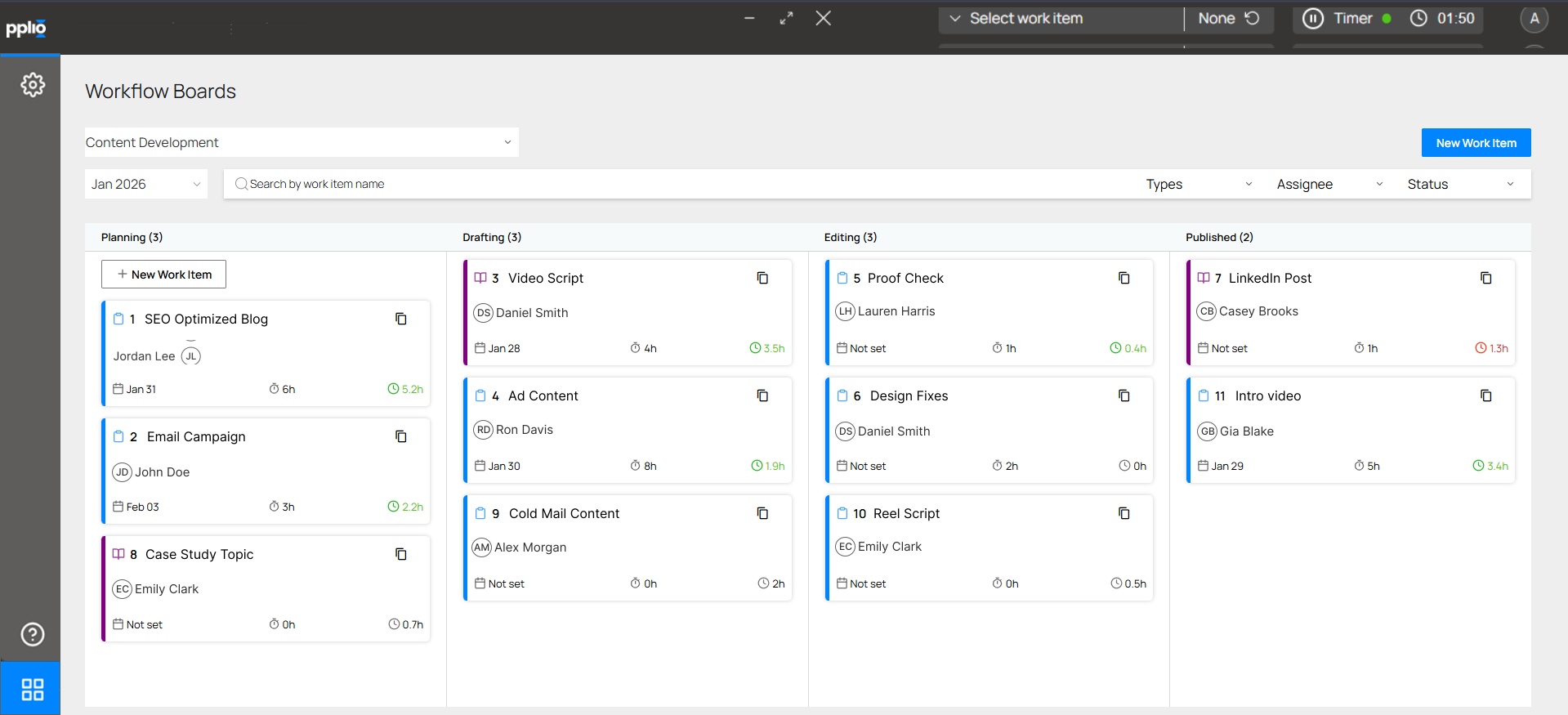
Kanban solves this by making work visual and easy to follow. Using a simple board with columns and task cards, teams can see the flow of work at a glance and move tasks forward as capacity allows. By limiting work in progress, Kanban helps teams stay focused, balance workloads, and address issues early. The result is a smoother, more predictable workflow where progress is clear and continuous improvement becomes part of everyday work.
Remote work is reshaping the global workplace by prioritizing flexibility, outcomes, and location-independent talent.
Project Reporting: Turning Progress Into Insights
Kanban boards are fantastic for visualizing sprints and keeping tasks organized—but what happens when you need to step back and see the bigger picture? That’s where project status reports come in. While Kanban helps teams stay on top of day-to-day tasks, a status report reflects the overall health of the project, making sure everyone—from team members to stakeholders—is in the loop.
So, what’s the main purpose of a project status report? Simply put, it’s to communicate clearly, track effectively, and guide decisions confidently. Let’s break it down:
Communicate current project progress Give everyone a clear snapshot of where the project stands—what’s done, what’s moving, and what’s next.
Highlight risks, issues, and blockers Surface potential threats early so teams can act before they turn into delays.
Track timelines, scope, and milestones Keep delivery on course by monitoring deadlines, boundaries, and key achievements.
Align stakeholders on priorities and next steps Ensure everyone is focused on the same goals with clarity on what needs to happen next.
Support informed decision making Provide reliable insights that help leaders make confident, data-backed choices.
Explore Project Management with PPLIO now
Plan, track, and deliver projects with clarity from start to finish